
Push-fold is one of poker’s most useful decisions, but it is not a button that replaces thought. In tournament poker, it asks whether to invest chips with a marginal hand or surrender them to preserve your stack. The right answer depends on your position, the action ahead, the size of the pot, the tournament structure and – crucially – how close you are to a bubble or final table. For Australian players, navigating those variables is the difference between a disciplined push and an expensive impulse.
What Makes Poker Tournament Push-Fold Work?

A push-fold strategy is clearest when you limit yourself to situations where continuing with the chips creates little or no upside. You are not trying to become an autopilot tournament winner; you are trying to identify spots where a shove earns folds, where a fold preserves a meaningful share of your chips, and where opening a small raise could expose you to a reshove you cannot handle.
The fundamentals begin with pot odds. If your shoving range is wide enough to include hands such as a suited ace or a strong pocket pair, compare the chips you risk with the chips already in the middle. You also need a reasonable return on investment, appropriate for both the blinds and the antes. For example, with both blinds in the pot, the pot may already be large enough to justify shoving a broader range in the cutoff than from the small blind.
Position changes everything. An unopened pot is generally a better environment for a push because fewer players have invested and you are less likely to face too many callers. On a multiway pot, your hand requirements should tighten unless your chips are extremely deep relative to the blinds. Short stacks should push more often, while deep stacks should preserve the option of raising and continuing after a shove.
Stack depth, however, is not the only concern. Tournament phase matters just as much. Before the bubble, medium stacks can become cautious while shorter stacks apply more pressure. On the bubble, an ace-high hand may suddenly be excellent to jam if it folds out the hands that threaten your survival. After the final-table bubble, the pressure changes again, particularly when antes rise and blinds become a substantial share of the pot.
Poker push-fold decisions should also reflect your opponents. If the table is loose and passive, shoving can generate valuable folds because you win the pot without a contest. If several regulars remain, the risk of being called rises. Your table image will influence this too: a player who has shown repeated shoves can be easier to bluff against.
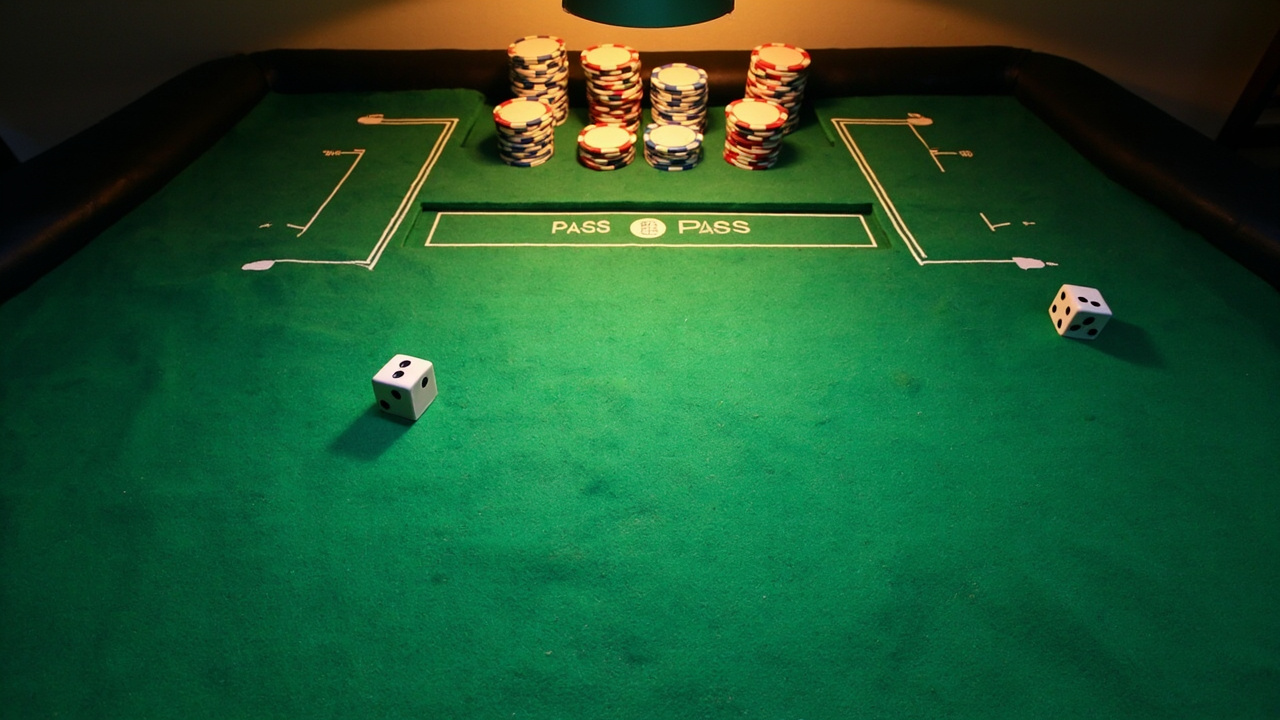
Adelaide’s tournament grind can be busy as a Bunnings sausage sizzle queue at midday on a Saturday. When the action is fast and you are playing several tables, a simple rule set helps. Still, the best approach is not to memorise every hand chart blindly. Use charts as a baseline, then adjust for the pot sizes, stacks and betting patterns in front of you.
Judging Push-Fold Spots Against Poker Tournament Options
When a shove earns the pot
A shove is most attractive when your opponents have invested enough that folding all the time leaves you behind. The first calculation is whether the risk of chips justifies the reward. If the pot is large and the shove range is wide, you may fold frequently and still show an acceptable return on investment.
Consider a common situation: you hold a marginal suited ace in the button with a stack close to 20 big blinds. There are no limpers, and both blinds remain. The blinds contribute one big blind each, the antes add more dead money, and your stack is almost exactly the shove threshold. In this case, a shove can be sensible because a fold leaves little value in the hand, while a shove allows you to win the blinds and antes when both players fold.
The same hand should not automatically be shoved from the small blind with five players still to act. More players mean more opportunities to call, and a marginal ace loses much of its appeal. Likewise, a short stack does not make every weak hand playable. Shoving too loosely simply creates a higher variance without improving your equity.
A useful discipline is to define your range before you act. Decide which hands will always shove, which will always fold, and where the uncertainty sits. Charts built for standard no-limit hold’em can help, but tournament conditions require adjustments. antes and the blinds, a chart may permit a wider shove range. With a single ante, fewer chips enter the pot, so the same hand has less immediate value.
Poker players should also consider the possibility of a small opening raise. If you can raise to a small fraction of your stack and force a fold, you may preserve the option to reshove later. However, this is not automatically superior. Small raises can invite aggressive action, particularly from big stacks, and they are less valuable when many players are still to act. The decision is not simply “raise or shove”; it is which option creates the best realistic outcome against the range of responses you expect.
When preserving chips is the stronger play
Push-fold is often presented as an all-in approach, but folding is an active part of the strategy. If your stack is healthy and the blinds are small, giving up a hand with no controversy may be wiser than turning a playable spot into a coin flip.

Think about a medium stack near 35 big blinds with a suited king on the button and two players left to act. A small raise might invite a shove from either player. You can fold to aggression, but you may feel obliged to call because you have invested chips. Shoving removes that uncertainty: you either win the pot uncontested or lose the chips. The trade-off is that a wide shove range can be exploited by an opponent who calls only with strong hands and reshoves light hands when you fold.
Your fold decisions become especially important when tournament survival has a clear financial value. If a substantial cash prize is waiting on the other side of the bubble, folding a borderline hand can protect your shot. That does not mean folding every questionable spot; it means recognising when the cost of elimination exceeds the expected value of contesting the pot.
Keep track of the blind levels, ante structure, remaining players and payouts. These details change hand values. A shove that made sense five minutes ago can become poor after the blinds double. Likewise, chip leadership matters. If you have twice the chips of your nearest rival, you can often afford to fold more freely and let pressure build around the other tables.
Players comparing wider tournament formats may also find value in reading about online poker re-entry tournaments. Re-entry formats can affect your risk calculations, especially when you lose a substantial portion of your stack but retain the option to buy back in.
Matching Push-Fold Decisions to Player Needs
The most useful push-fold framework is one that fits your skill level, bankroll and tournament goals. Beginners should use conservative ranges and avoid pushing simply because they have too many chips to comfortably raise. A small number of well-chosen shoves is more valuable than a constant stream of marginal decisions.
More experienced players can add nuance. Consider opponent tendencies, stack cover and the possibility of being forced to fold after a small raise. If the players behind you are likely to call aggressively, a shove may be more useful. If they are likely to fold to a small bet, a controlled raise could extract more value.
For Australian tournament players, practical tools also need to fit around travel, work and the usual grind. A mobile-friendly poker lobby should make it easy to filter tournaments by buy-in, format and start time. Clear navigation matters because a rushed decision before a scheduled event is no place to guess how tournament filters work. Filters, seat availability and blind information should be visible without opening several pages.
The wider gaming lobby matters too, although poker should remain clearly separated from casino-style play. A strong platform might include slots, roulette, blackjack and live dealer tables alongside poker, with providers such as Aristocrat, Pragmatic Play and Evolution represented. Search should let you move directly from “poker tournaments” to a particular variant or stake without scrolling through a crowded catalogue. That organisation is especially useful for players who want to browse while waiting for a tournament to register.
A practical account experience supports quicker, more disciplined decisions. Deposits and withdrawals should be displayed in Australian dollars, with familiar payment options and clear minimums. Responsible-play controls should include deposit limits, session reminders and reality checks. Support should be reachable in Australian English, and loyalty rewards should offer useful tournament benefits rather than credits that are awkward to use.
Some players start with promotional offers. If you want to assess a poker room’s terms, you can compare them with the Joe Fortune free chip and similar promotions, but scrutinise the wagering conditions, eligible games, expiry period and withdrawal rules. A generous-looking bonus is only valuable if its mechanics suit how you actually play.
Push-fold decisions demand a clear answer to one question: is the value of winning this pot greater than the risk to your tournament survival? If yes, a well-chosen shove may be correct. If not, folding can be the strongest move available. The aim is not to shove everywhere; it is to make each all-in decision for a specific reason.
Verdict
Poker tournament push-fold explained properly is about pot odds, position, stack depth and tournament pressure – not blind aggression. For players comparing poker rooms in Australia, prioritise clear tournament filters, practical cash displays, responsible gaming tools and transparent bonus terms. Push with the hands that earn folds, surrender the ones that do not, and judge every shove against the tournament you are actually playing.